Why Contract Position Matters in Changing Global Conditions

Global events can quickly flow through to construction projects, even when those events occur thousands of kilometres away.
Recent geopolitical developments in the Middle East have pushed oil prices higher and created uncertainty across energy markets and international shipping routes. Economists and government officials have warned that the conflict could have a “very substantial” impact on prices and economic conditions in Australia.
For industries that rely heavily on transport, materials and fuel, including civil construction, those global shifts can translate into increased operating costs, procurement delays and scheduling pressure.
When conditions change rapidly, the position established in a construction contract can become critical in determining how those risks are allocated.
Questions contractors should be asking now include:
- If input costs rise further, where does that risk sit under our contract?
- If procurement timelines shift, do we have enough protection on time and cost?
- Are we relying on assumptions that may no longer hold if market conditions worsen?
Why Contract Position Matters in Changing Global Conditions
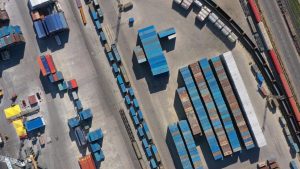
Australia is particularly exposed to volatility in global energy markets because the country imports the vast majority of its refined fuel products.
When global oil prices rise, the effects are often felt quickly through fuel costs, freight charges and supply chain expenses.
Recent reporting has highlighted that rising fuel prices linked to the Middle East conflict are already placing pressure on Australia’s transport sector, which underpins the movement of materials, equipment and supplies across the economy.
Diesel prices have also increased significantly in some regions, raising operating costs for industries that rely on heavy machinery and road transport.
Because civil construction relies heavily on diesel-powered plant, transport logistics and energy-intensive manufacturing processes, fluctuations in fuel markets can have direct implications for project budgets and delivery timelines.
How Are Supply Chain Pressures Affecting Construction Materials?
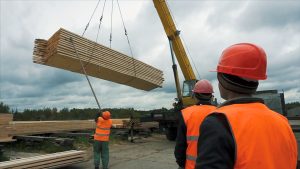
Beyond fuel, disruptions to international shipping routes and trade corridors can influence the availability and cost of construction materials.
Shipping delays or rerouting can extend procurement timelines and increase freight costs, particularly for projects reliant on imported components or specialised materials.
At the same time, broader economic pressures are contributing to continued material price escalation across parts of the construction supply chain. Industry data shows that a range of construction inputs have experienced sustained cost increases in recent years, reflecting both global commodity markets and supply chain constraints.
These factors rarely occur independently. Instead, they can combine to create uncertainty around pricing, procurement schedules and project delivery.
What Does This Mean For Contractors?

In periods of market stability, many contractors rely on established procurement processes and commercial relationships to manage project risk.
However, when external conditions become more volatile, the way risk is allocated within a construction contract becomes more significant.
Questions worth asking at contract stage include:
- Does the contract deal clearly with escalation or price movement?
- If procurement delays affect delivery, what extension-of-time rights exist?
- Who carries the risk for supply chain disruption or material shortages?
- Are provisional sums or adjustment mechanisms adequate for current conditions?
- What notice and documentation requirements apply if costs or timeframes change?
Where contracts deal clearly with these issues, contractors are in a stronger position to respond when conditions change. Where they do not, unexpected cost, delay and procurement risks can become much harder to manage.
What can contractors do now?

In a more uncertain global environment, many contractors are taking a proactive approach to reviewing project documentation and commercial arrangements.
This can include reviewing contract provisions carefully, updating cost forecasts as supplier pricing evolves, and maintaining clear records of procurement timelines, supplier correspondence and pricing changes.
Early engagement with clients and project partners can also assist in identifying potential issues before they begin to affect project delivery.
The question for contractors is simple: if costs move, supply tightens or timelines slip, does your contract position leave you protected or exposed?
How Can Contractors Strengthen Their Position in a Changing Market?
Construction projects operate within a global economic system, even when the work itself is local.
Understanding how contracts allocate risk when market conditions shift can help contractors better prepare for uncertainty across supply chains, fuel markets and material pricing.
Level Playing Field works with contractors across the construction sector to review contracts and project documentation, helping businesses understand their contractual position and prepare for changing conditions before issues arise.
Sources
Australian Broadcasting Corporation. “Treasurer warns Middle East conflict could have a ‘very substantial’ impact on Australian prices and growth.” ABC News. 2026.
https://www.abc.net.au/news/2026-03-04/treasurer-jim-chalmers-warns-of-middle-east-economic-impact/106415032
Australian Broadcasting Corporation. “Why rising oil prices are putting pressure on Australia’s transport industry.” ABC News. 2026.
https://www.abc.net.au/news/2026-03-10/rising-oil-prices-impacting-already-struggling-truck-industry/106381214
Australian Broadcasting Corporation. “How the Middle East conflict could affect fuel prices in Australia.” ABC News. 2026.
https://www.abc.net.au/news/2026-03-10/why-fuel-prices-are-going-up-australia/106437844
Big Rigs. “Diesel price surge adds pressure on Australian transport operators.” 2026.
https://bigrigs.com.au/2026/03/06/this-will-cost-our-business-an-extra-15000-a-day-in-diesel/